

The political landscape of the Horn of Africa is one fraught with complexities, historical grievances, and a web of alliances that often dictate the pace and focus of regional diplomacy. The recent alacrity with which Heads of State have addressed the Memorandum of Understanding (MoU) between Ethiopia and Somaliland, culminating in the organization of the 42nd extraordinary summit, stands in stark contrast to the protracted territorial dispute between Djibouti and Eritrea. This essay delves into the dichotomy of urgency and inaction, exploring the geopolitical and strategic calculations that have led to such disparate responses from the Intergovernmental Authority on Development (IGAD) and its current chair, Djibouti.
The Ethiopia-Somaliland MoU, a bilateral agreement that encompasses trade, security, and infrastructural development, has garnered significant attention from regional actors. The rapid convening of the 42nd extraordinary IGAD summit in response to this agreement underscores the perceived importance of Ethiopia’s role in the Horn of Africa’s stability and the strategic implications of its alliances. Somaliland’s self-declared independence, which remains unrecognized by the international community, adds a layer of complexity to this engagement, challenging the traditional norms of state sovereignty and regional integrity.
The swift reaction to the Ethiopia-Somaliland MoU may be attributed to several factors. Firstly, Ethiopia, as a landlocked country, is continuously seeking access to ports and thus, the economic and strategic partnership with Somaliland, which controls a portion of the Red Sea coastline, is of immense value. Secondly, the MoU could potentially shift the balance of power in the region, prompting immediate attention and a coordinated approach among neighboring countries to safeguard their interests.
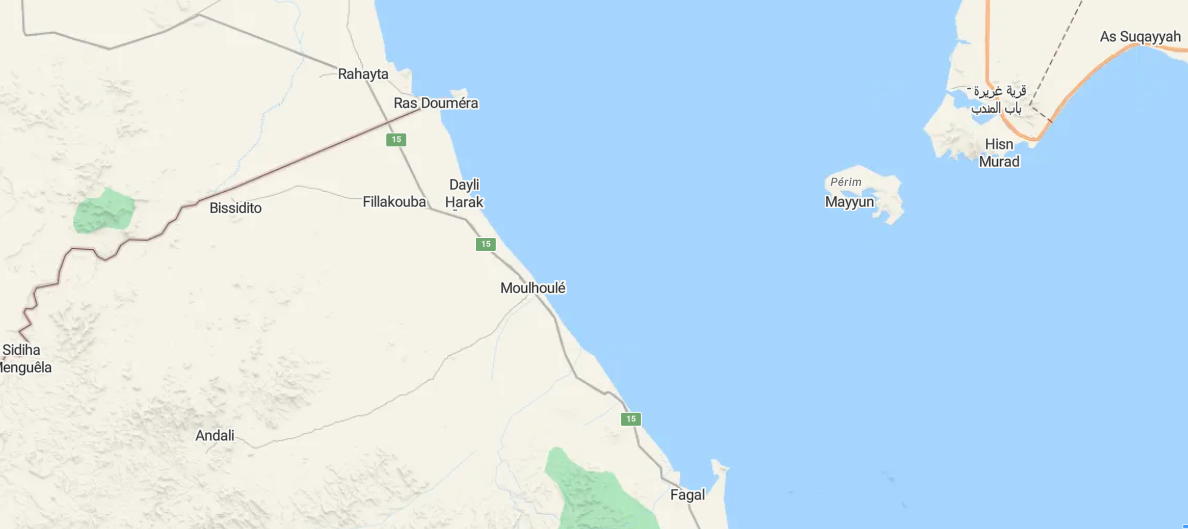
In stark contrast, the occupation of Djiboutian territory by Eritrea, which began in 2008, has been met with a muted and ineffective regional response. Despite the African Union’s calls for peaceful resolution and the United Nations Security Council’s sanctions on Eritrea, the issue remains unresolved. Djibouti, despite its strategic location hosting multiple foreign military bases and its role as the current chair of IGAD, has shown a surprising lack of assertiveness in addressing its territorial concerns on the international stage.
This apparent indifference could be a result of several intertwined considerations. Djibouti might be prioritizing its economic and political stability over territorial integrity, given its reliance on foreign military bases for rent and its role as a critical hub for international shipping. Additionally, Djibouti’s leaders might calculate that aggressive pursuit of the occupied territories could escalate into a conflict that would jeopardize its position as a stable port in a volatile region.
Furthermore, the IGAD’s focus on the Ethiopia-Somaliland MoU over the Djibouti-Eritrea occupation may reflect the broader international community’s strategic interests. The Red Sea and the Gulf of Aden are vital maritime routes for global trade, and any agreement affecting access to these waters is likely to draw more immediate concern than a territorial dispute that has been simmering for over a decade without significant disruption to international shipping.
The situation raises questions about the principles that govern the actions of regional organizations like IGAD and the international community at large. Is the urgency of response dictated by immediate economic and strategic interests, or do long-standing principles of territorial sovereignty and integrity hold sway? The case of Djibouti and Eritrea suggests that the former often trumps the latter, with realpolitik playing a decisive role in the prioritization of diplomatic efforts.
In conclusion, the contrasting responses to the Ethiopia-Somaliland MoU and the Djibouti-Eritrea occupation reveal the complexities of regional politics in the Horn of Africa. While economic and strategic imperatives drive immediate and robust engagement from regional actors in some cases, other equally critical issues like territorial integrity can languish in diplomatic limbo, overshadowed by the pressing interests of more powerful stakeholders. This dichotomy underscores the need for a more consistent and principled approach to conflict resolution and regional cooperation, one that balances strategic interests with the imperative of upholding international law and the sovereignty of nations.

 EX_DJIBOUTI SEMPER ALIQUID NOVI
Vous devez être connecté pour poster un commentaire.